Sculpture: Conversations in the City
An accessible article for adult English learners exploring sculpture in urban environments, using conversational dialogues to explain its forms, history, and impact on city life.
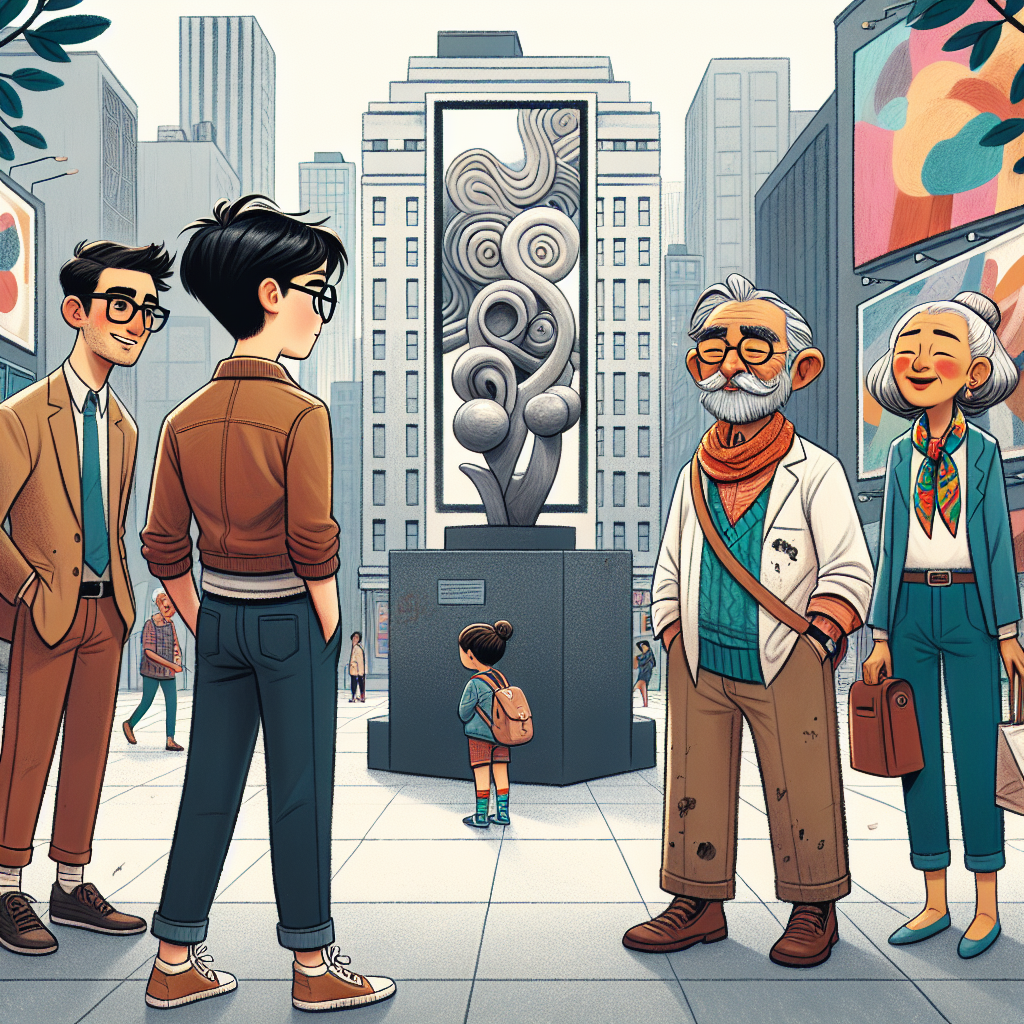
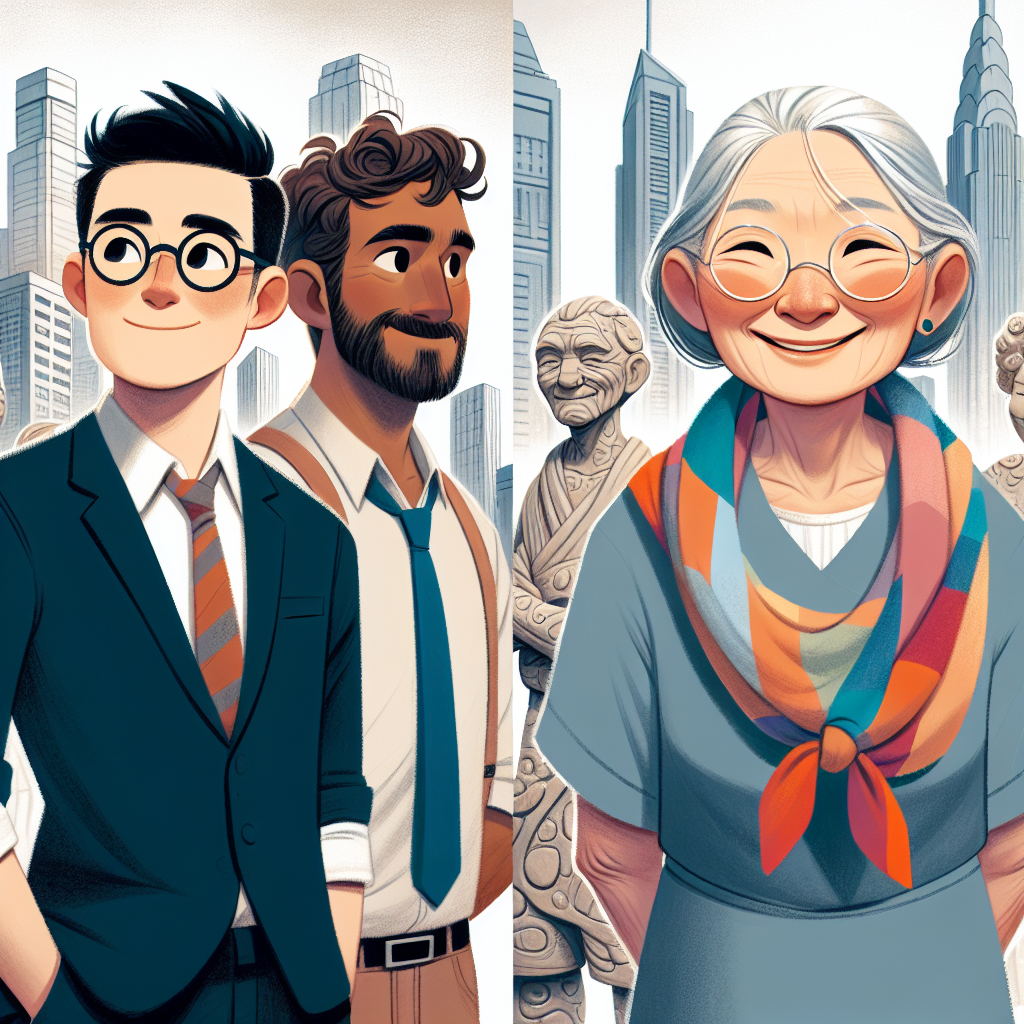
Anna walks through the city square and notices a large, abstract sculpture. She meets David the artist and asks about the meaning of sculpture in urban spaces.
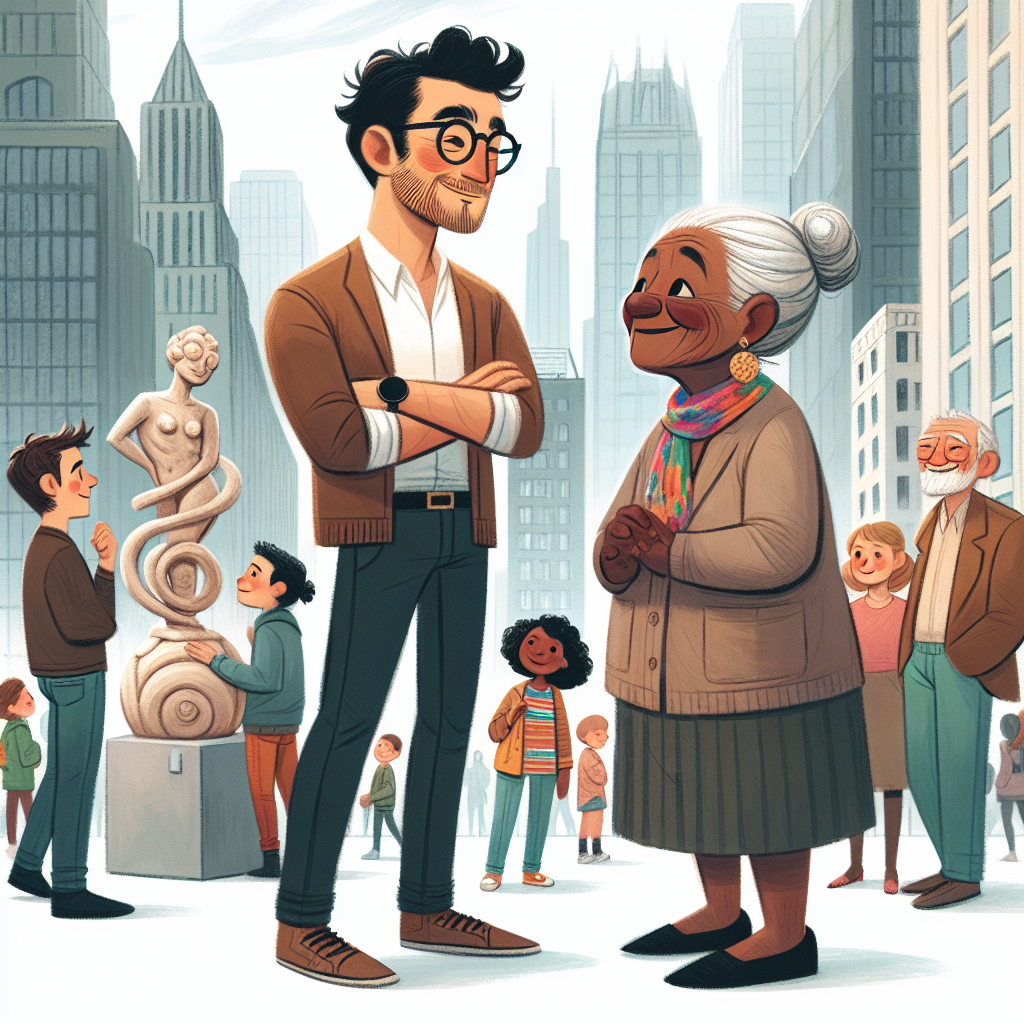
David, why do cities have sculptures? Anna asks. David replies "Sculptures make cities unique and inspire people. They can tell stories celebrate history or simply add beauty."
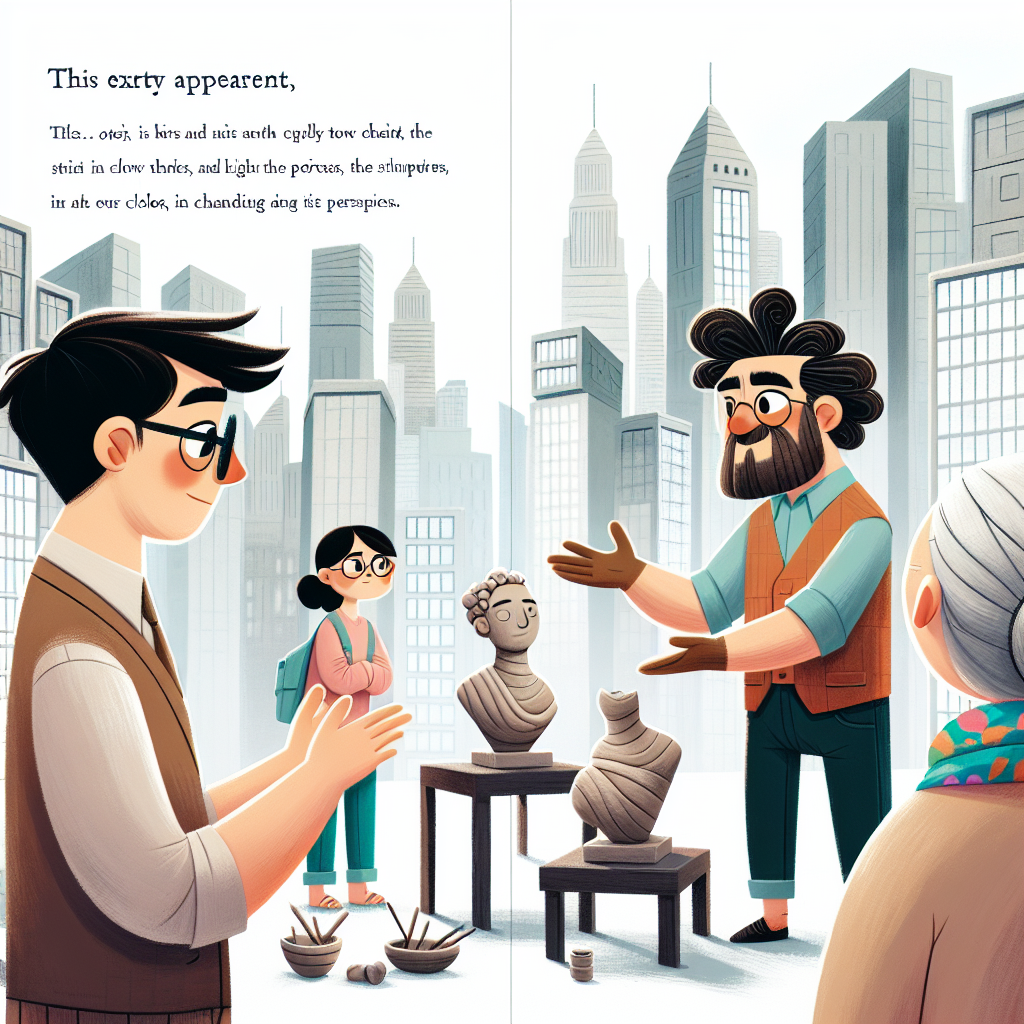
Anna looks at the sculpture closely. She says "It looks different from every angle." David nods "That’s the magic of three-dimensional art. Sculpture invites you to move and see it in new ways."
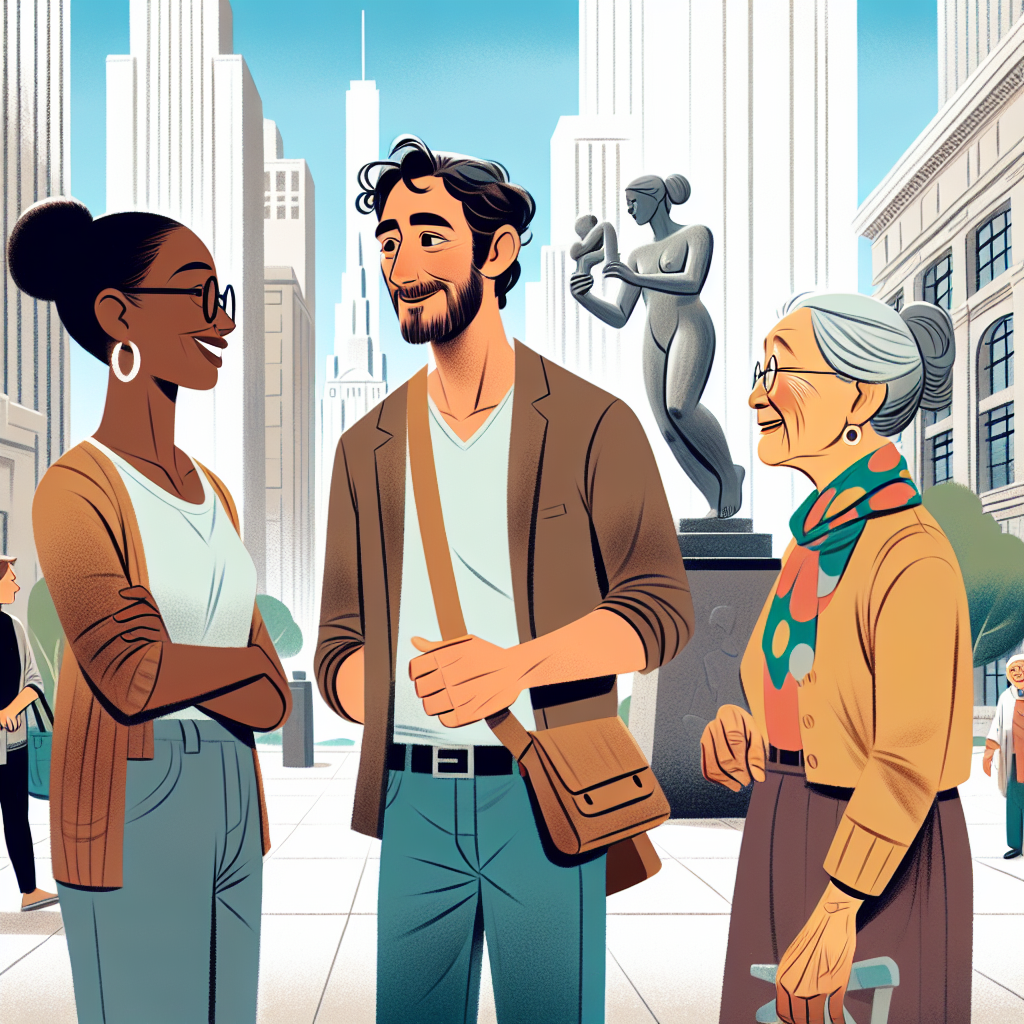
Ms. Lee joins them and shares "When I was young sculptures in the park helped me feel connected to my city." Anna asks "How do sculptures connect people?" Ms. Lee smiles "They become meeting places inspire conversations and reflect our shared values."
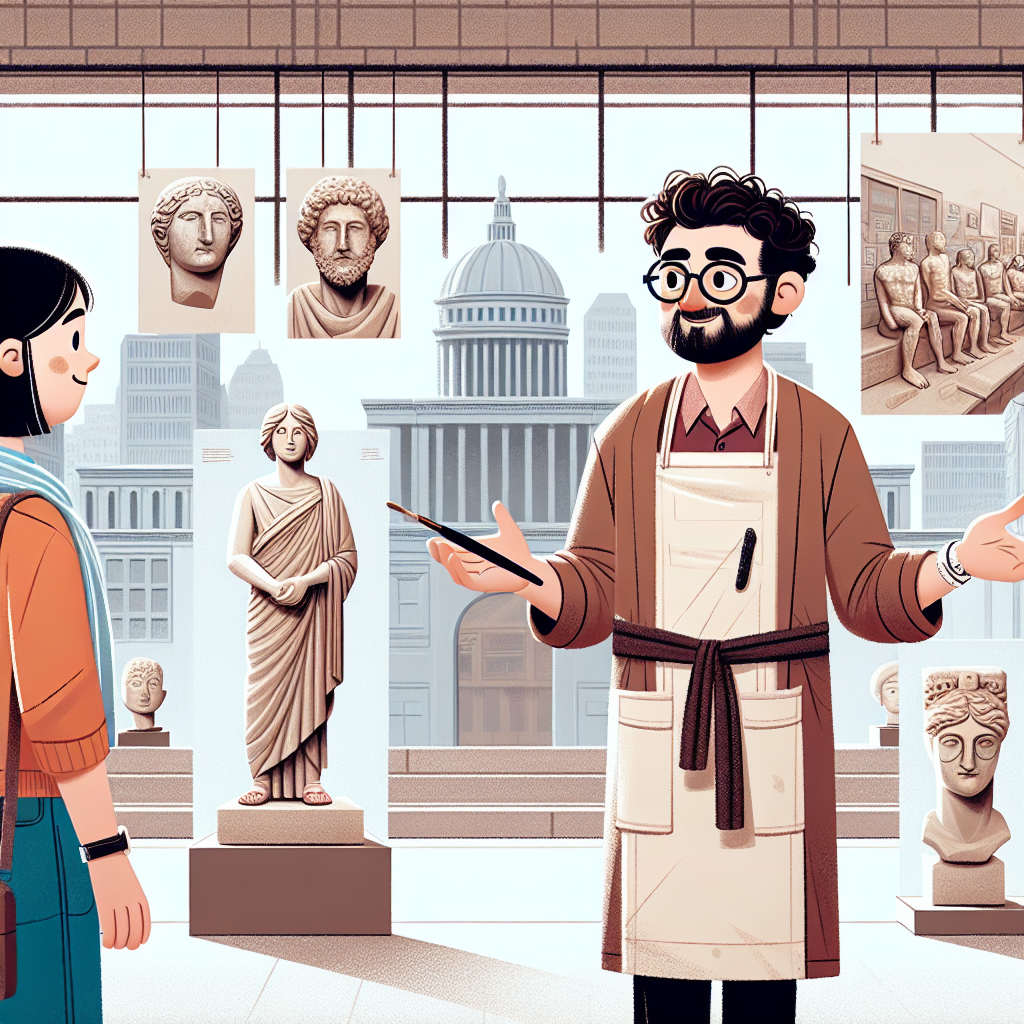
David explains "Sculpture has a long history. Ancient people carved statues to honor gods or leaders. Today, artists use many materials like metal, stone, wood or even recycled objects."
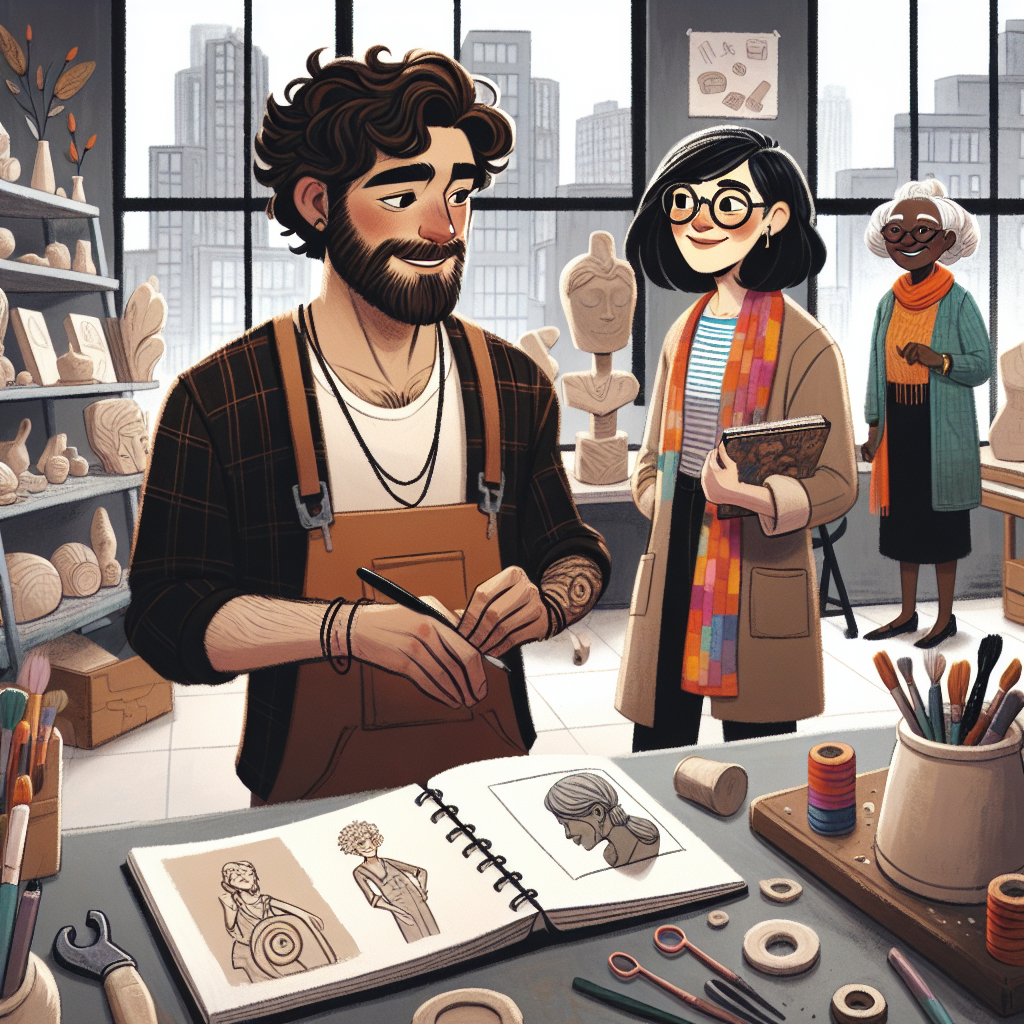
Anna asks "How do you create a sculpture?" David says "First, I sketch my idea. Then I choose materials and start shaping. Sometimes I work alone sometimes with a team."
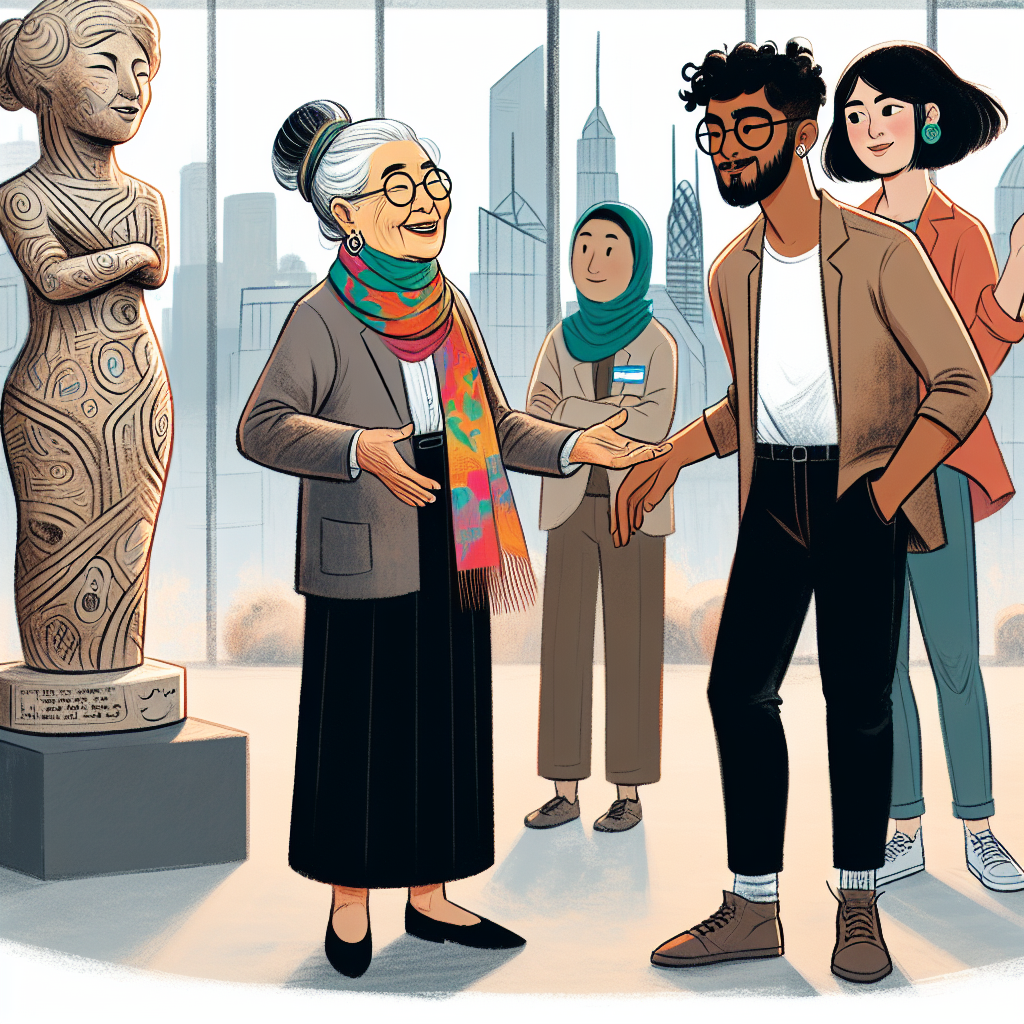
Ms. Lee adds "Public sculptures can be controversial. Some people love them others don’t. But they always make us think and talk." Anna nods "Art in the city brings us together even when we disagree."
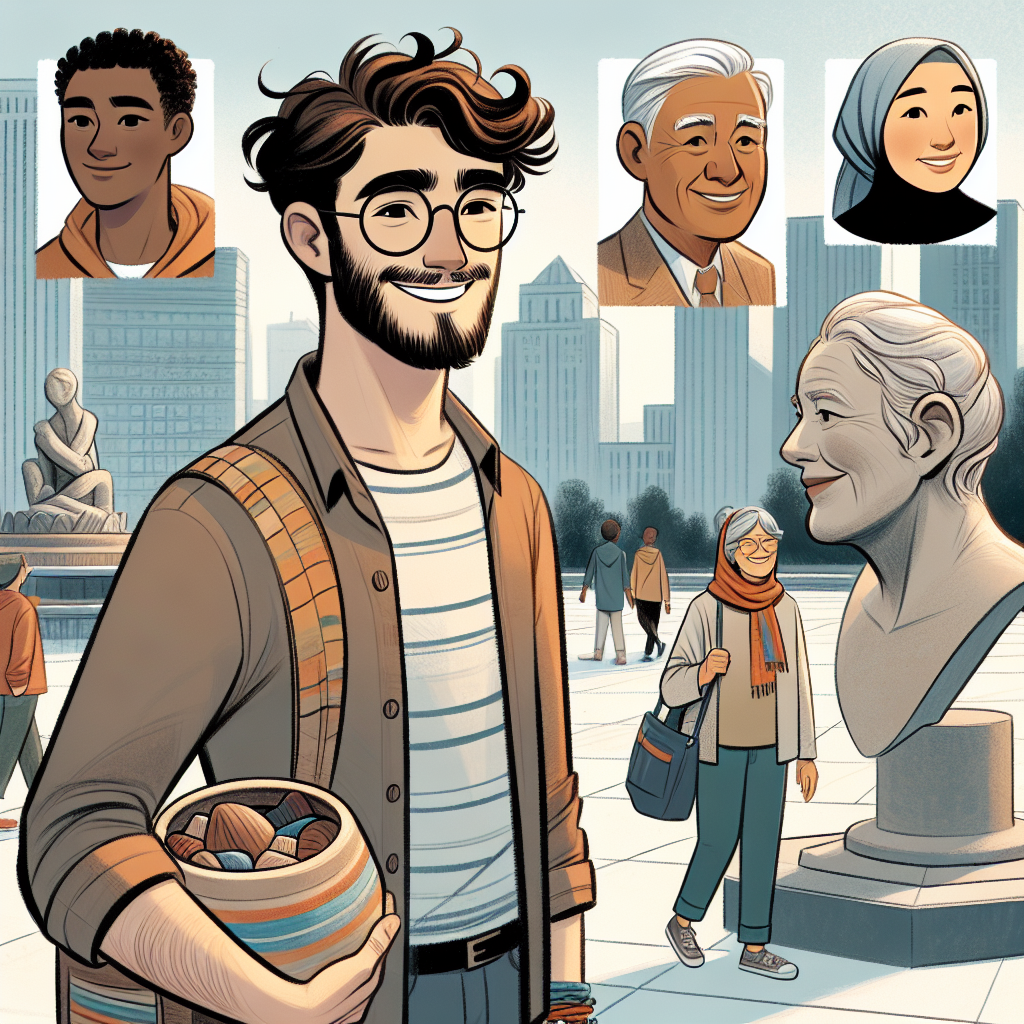
David smiles "That’s why I love making art for cities. My sculptures are for everyone —locals, visitors, young and old." Anna says "Thank you for sharing your story. I see sculpture differently now."
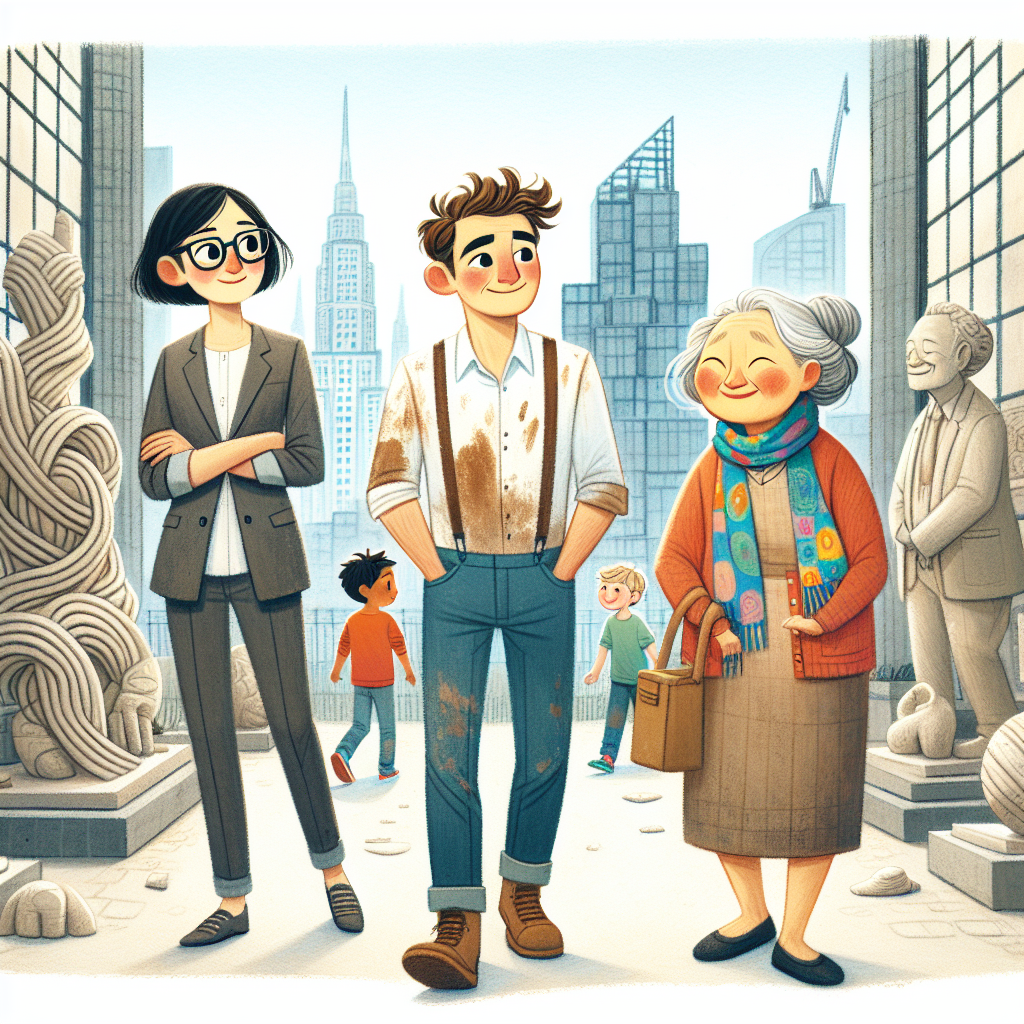
Ms. Lee concludes "Next time you pass a sculpture stop and look. Ask yourself what does it say about this place?" Anna, David, and Ms. Lee continue their walk appreciating the art around them.
Read the full story
Anna walks through the city square and notices a large, abstract sculpture. She meets David the artist and asks about the meaning of sculpture in urban spaces.
David, why do cities have sculptures? Anna asks. David replies "Sculptures make cities unique and inspire people. They can tell stories celebrate history or simply add beauty."
Anna looks at the sculpture closely. She says "It looks different from every angle." David nods "That’s the magic of three-dimensional art. Sculpture invites you to move and see it in new ways."
Ms. Lee joins them and shares "When I was young sculptures in the park helped me feel connected to my city." Anna asks "How do sculptures connect people?" Ms. Lee smiles "They become meeting places inspire conversations and reflect our shared values."
David explains "Sculpture has a long history. Ancient people carved statues to honor gods or leaders. Today, artists use many materials like metal, stone, wood or even recycled objects."
Anna asks "How do you create a sculpture?" David says "First, I sketch my idea. Then I choose materials and start shaping. Sometimes I work alone sometimes with a team."
Ms. Lee adds "Public sculptures can be controversial. Some people love them others don’t. But they always make us think and talk." Anna nods "Art in the city brings us together even when we disagree."
David smiles "That’s why I love making art for cities. My sculptures are for everyone —locals, visitors, young and old." Anna says "Thank you for sharing your story. I see sculpture differently now."
Ms. Lee concludes "Next time you pass a sculpture stop and look. Ask yourself what does it say about this place?" Anna, David, and Ms. Lee continue their walk appreciating the art around them.