
Conversations Around Political Events
An accessible article for English learners exploring how political events shape society, featuring realistic workplace conversations to illustrate key concepts in AI and Machine Learning contexts.

Political events are significant happenings that can influence societies, governments, and even businesses. In the workplace, understanding political events helps teams stay informed and adapt to changes.

Anna and David are colleagues at a technology company. One morning, Anna reads about a new government regulation on artificial intelligence. She brings it up during their coffee break.
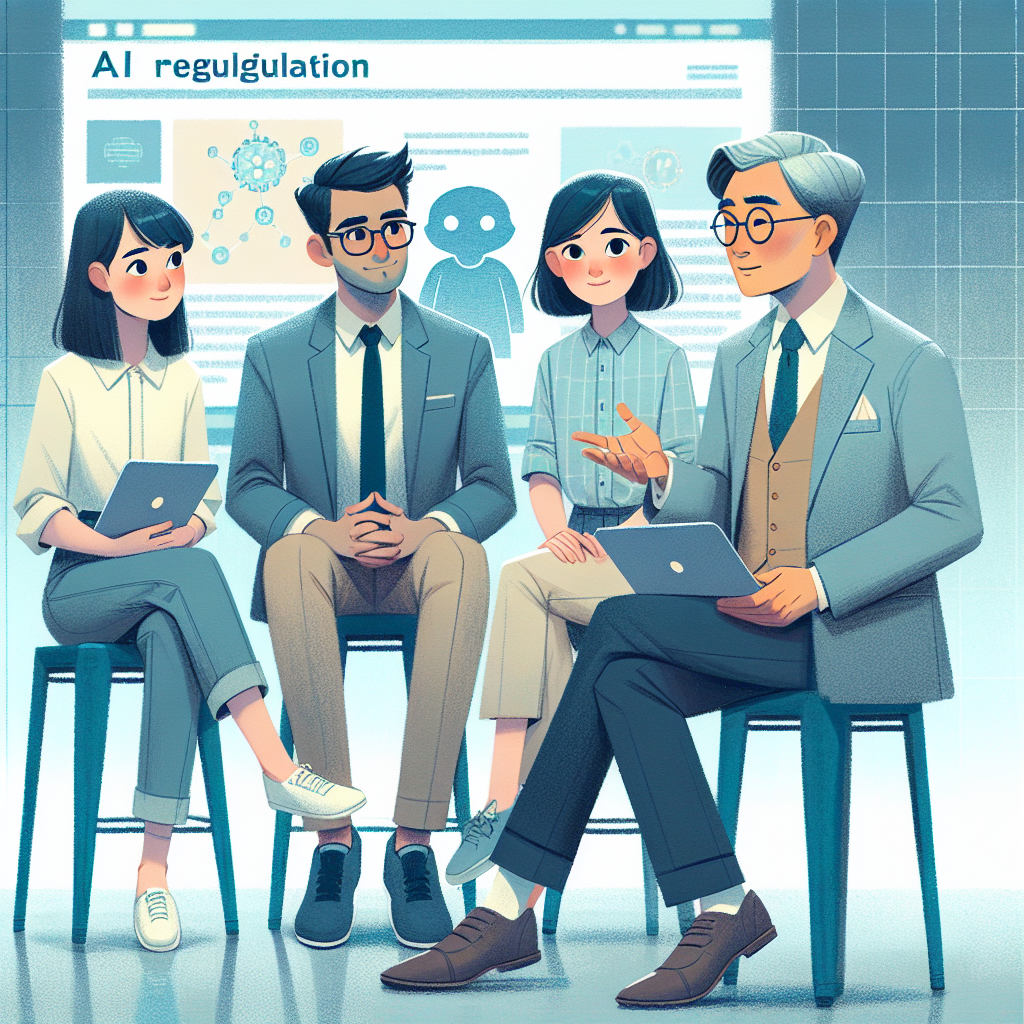
Anna says, 'Did you see the news about the AI regulation?' David replies, 'Yes, it could affect our machine learning projects.' They discuss how the regulation might change their work.

Later, Maya joins the conversation. She asks, 'Should we adjust our data collection process?' David nods, explaining, 'We need to make sure we follow the new rules.'

The team schedules a meeting to talk about the regulation. They invite Mr. Lee, their senior executive, to share his perspective. Mr. Lee emphasizes the importance of staying compliant.
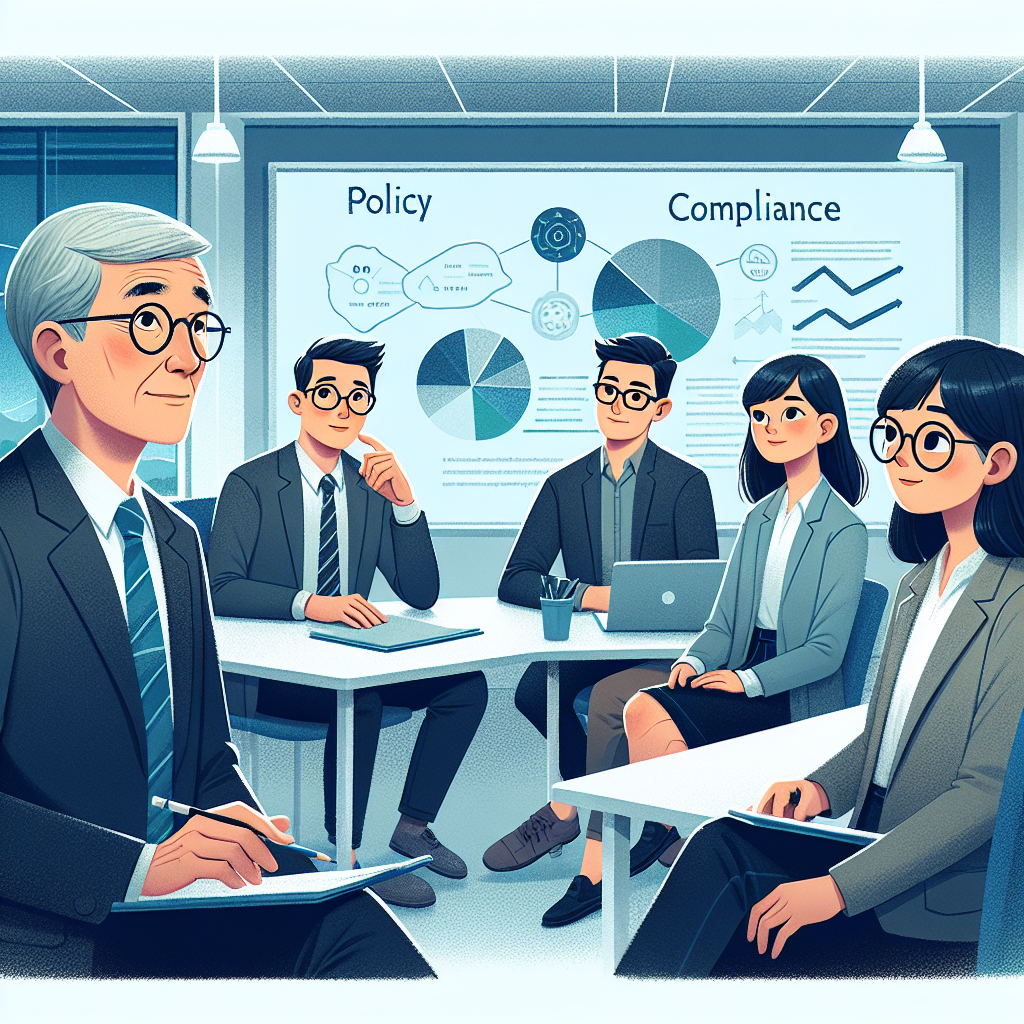
'Political events like this regulation can change how we operate,' Mr. Lee explains. 'We must be proactive and keep learning about new policies.' The team agrees to update their procedures.
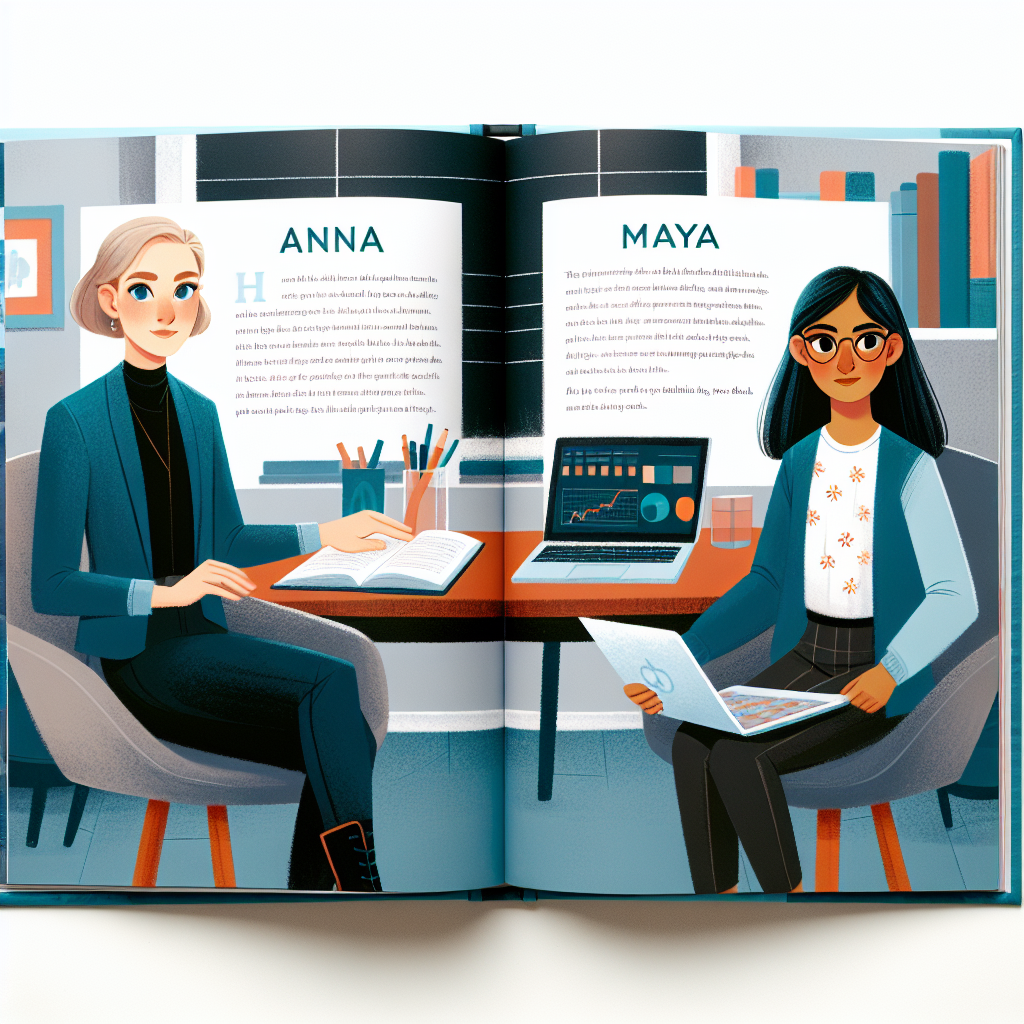
After the meeting, Anna and Maya discuss how to inform the rest of the company. Anna suggests creating a short guide. Maya offers to explain the technical details in simple terms.
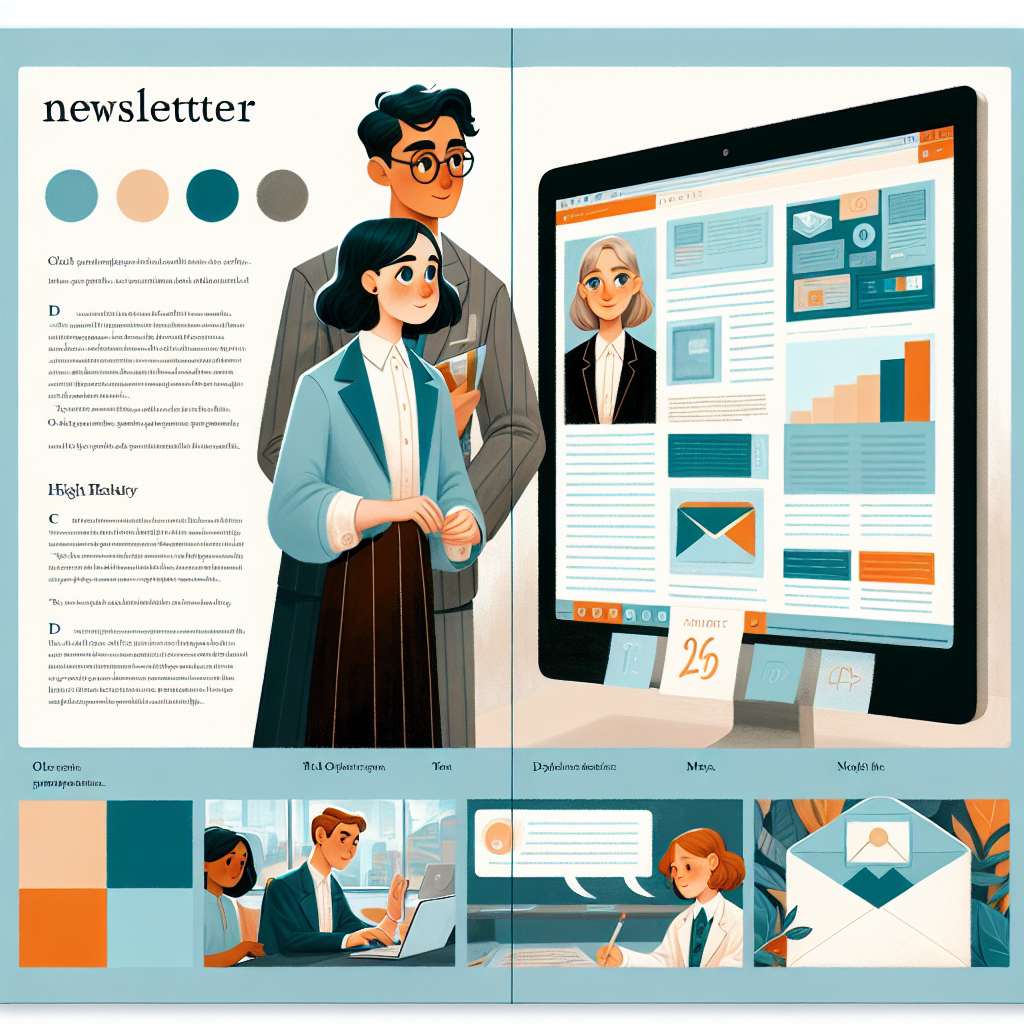
They write an internal newsletter explaining the new regulation. The newsletter uses clear language and examples relevant to their daily work. Employees appreciate the effort to keep everyone informed.

Political events often lead to workplace conversations. These discussions help teams understand the impact on their projects and responsibilities. Open communication builds trust and prepares everyone for change.
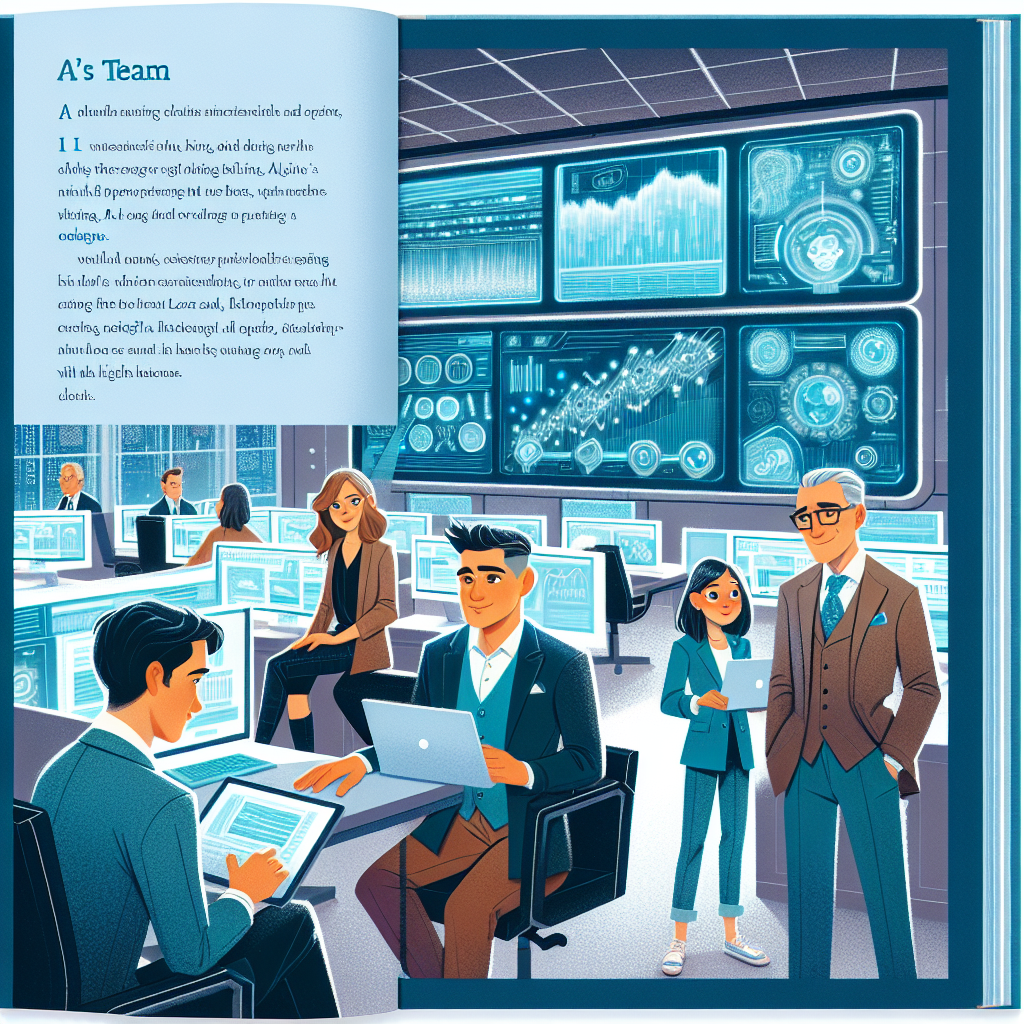
In the world of AI and machine learning, political events can introduce new opportunities and challenges. By staying informed and working together, teams can adapt and thrive.
Read the full story
Political events are significant happenings that can influence societies, governments, and even businesses. In the workplace, understanding political events helps teams stay informed and adapt to changes.
Anna and David are colleagues at a technology company. One morning, Anna reads about a new government regulation on artificial intelligence. She brings it up during their coffee break.
Anna says, 'Did you see the news about the AI regulation?' David replies, 'Yes, it could affect our machine learning projects.' They discuss how the regulation might change their work.
Later, Maya joins the conversation. She asks, 'Should we adjust our data collection process?' David nods, explaining, 'We need to make sure we follow the new rules.'
The team schedules a meeting to talk about the regulation. They invite Mr. Lee, their senior executive, to share his perspective. Mr. Lee emphasizes the importance of staying compliant.
'Political events like this regulation can change how we operate,' Mr. Lee explains. 'We must be proactive and keep learning about new policies.' The team agrees to update their procedures.
After the meeting, Anna and Maya discuss how to inform the rest of the company. Anna suggests creating a short guide. Maya offers to explain the technical details in simple terms.
They write an internal newsletter explaining the new regulation. The newsletter uses clear language and examples relevant to their daily work. Employees appreciate the effort to keep everyone informed.
Political events often lead to workplace conversations. These discussions help teams understand the impact on their projects and responsibilities. Open communication builds trust and prepares everyone for change.
In the world of AI and machine learning, political events can introduce new opportunities and challenges. By staying informed and working together, teams can adapt and thrive.